





Quick Answer: Drywall water damage repair involves identifying the source of the moisture—whether from a leaky roof, plumbing issue, or AC condensation—and swiftly replacing or treating the affected panels. In Las Vegas, ignoring wet drywall can lead to structural weakening and dangerous mold growth in a matter of days.
Key Takeaways
- Speed is critical: Water-damaged drywall loses its structural integrity quickly and can grow mold within 48 hours.
- Find the source: Repairing the drywall is useless if the underlying roof or plumbing leak isn't fixed first.
- Professional assessment: Sagging, bubbling paint, or discoloration are clear signs you need a professional inspection.
Safety first: Wet drywall near electrical outlets poses a serious fire and shock hazard.
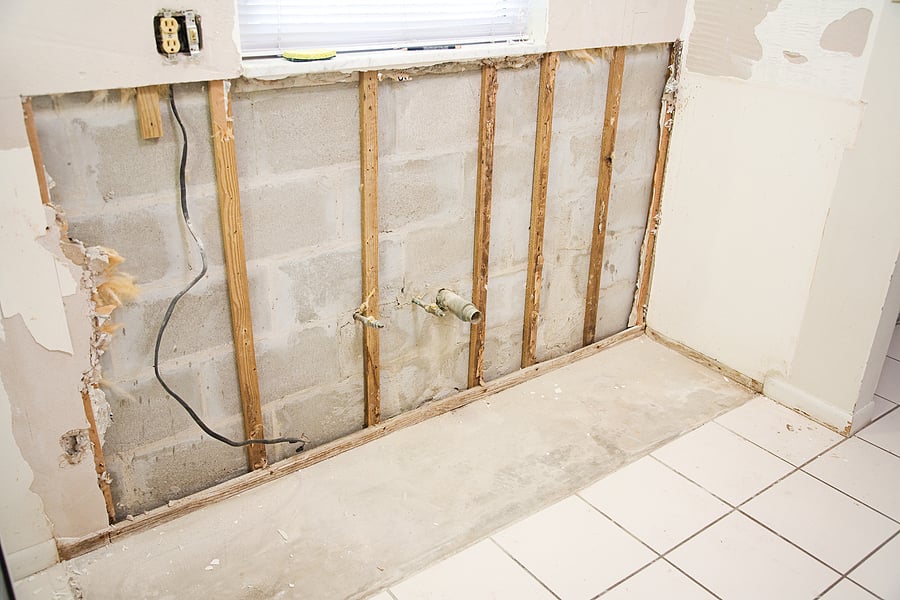
The Hidden Dangers of Water Damage in the Desert
In Las Vegas, we might live in a dry climate, but water damage is still a major threat. A sudden summer monsoon or an overflowing AC drip pan can easily send water pooling behind your walls. When drywall absorbs water, it swells, crumbles, and loses its ability to support weight.
Prompt drywall water damage repair saves you from much larger headaches down the road. If you spot brown stains on your ceiling or walls, it is time to act. We always tell our customers exactly what they need—if the damage is localized, a simple patch repair might suffice rather than a full wall replacement.
Why You Shouldn't DIY Wet Drywall
Cutting out wet drywall is messy and potentially hazardous. As a proud winner of the Angie's List Super Service Award, our team knows how to handle interior damage with minimal disruption to your home. We expertly remove the compromised material, ensure the framing is completely dry, and install seamless new drywall that matches your existing texture perfectly.
Frequently Asked Questions
Q: Can water-damaged drywall dry out and be okay?
A: If it's a minor splash, yes. But if the drywall is saturated, sagging, or soft to the touch, it has lost its structural integrity and must be replaced.
Q: How long does it take for mold to grow on wet drywall?
A: In the right conditions, mold can begin to grow on damp drywall in as little as 24 to 48 hours.
Q: Will my homeowner's insurance cover drywall repair?
A: It depends on the source of the water. Sudden and accidental damage (like a burst pipe or storm damage) is often covered, while gradual leaks from poor maintenance are usually not.
Ready to fix those unsightly water stains?
Don't wait for the problem to spread. Call First Quality Roofing & Insulation for a free estimate, or visit us online to schedule your inspection. Contact our team today.